
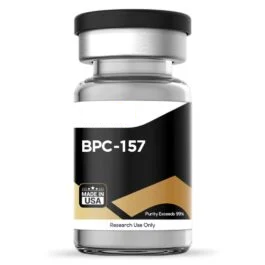
BPC-157 (5mg / 10mg)

Price range: £49.40 through £92.15
Size: 10mg
Contents: BPC-157
Form: Lyophilized powder
Purity: >99%
SKU: P-BPC157
FREE Shipping on £200+ orders (UK only)
BPC-157 is a synthetic pentadecapeptide widely studied in laboratory research for its potential role in tissue repair, angiogenesis, gastrointestinal function, muscle recovery, and regenerative signalling pathways.
Buy BPC-157 Peptide UK | High Purity Recovery Peptide
Buy BPC-157 Peptide UK, a high-purity synthetic pentadecapeptide supplied by Peptide House UK strictly for laboratory research purposes. Researchers widely study this peptide because of its strong relevance in tissue repair, recovery biology, angiogenesis, and gastrointestinal research models.
Importantly, BPC-157 originates from a naturally occurring gastric protein fragment known as Body Protection Compound 157. Therefore, it has become one of the most recognised peptides in regeneration and recovery-focused research environments.
Why Researchers Choose BPC-157
Researchers frequently select BPC-157 because it demonstrates stability across multiple experimental environments. In addition, its broad interaction with repair-related signalling pathways makes it highly valuable in regenerative biology studies.
Moreover, researchers continue exploring its involvement in connective tissue models, vascular development, cellular migration, and gut integrity research.
- Tissue repair and wound healing studies
- Tendon and ligament recovery models
- Angiogenesis and vascular research
- Gastrointestinal integrity investigations
- Muscle recovery pathway analysis
- Neurological stress-response studies
Mechanism of Action (Research Context)
BPC-157 is studied for its interaction with growth-related signalling pathways involved in cellular repair and tissue regeneration. Specifically, researchers investigate its influence on collagen synthesis, cell migration, and blood vessel formation.
As a result, this peptide remains highly relevant in experimental systems focused on structural healing and recovery processes.
- Collagen formation research
- Cell proliferation studies
- Angiogenesis pathway investigations
- Connective tissue remodelling analysis
Key Research Applications
1. Tissue Repair & Wound Healing Research
Researchers commonly use BPC-157 in wound healing models because it may support collagen organisation, connective tissue repair, and vascular development.
Furthermore, studies frequently investigate its influence on re-epithelialisation and tissue remodelling processes during recovery.
- Collagen synthesis models
- Connective tissue repair studies
- Cell migration investigations
- Wound recovery pathway analysis
2. Tendon & Ligament Research
BPC-157 is widely explored in tendon and ligament recovery studies. For example, researchers analyse fibroblast activity, cellular migration, and survival pathways linked to connective tissue repair.
Additionally, experimental models investigate FAK and paxillin signalling due to their role in structural tissue regeneration.
- Fibroblast activity studies
- Tendon regeneration models
- Ligament recovery investigations
- Structural repair pathway analysis
3. Gastrointestinal Research
Researchers continue studying BPC-157 in gastrointestinal models because of its stability in gastric environments. Consequently, it remains highly relevant in gut integrity and digestive pathway investigations.
- Gut lining integrity studies
- Digestive pathway analysis
- Gastrointestinal blood flow research
- Serotonin-related signalling models
4. Angiogenesis & Vascular Development
One of the most researched areas involving BPC-157 is angiogenesis. In particular, researchers investigate how it may influence VEGF expression and endothelial cell behaviour.
Therefore, this peptide is frequently used in vascular development and tissue oxygenation studies.
- VEGF pathway studies
- Endothelial cell research
- Blood vessel formation models
- Vascular network investigations
5. Muscle Recovery & Regeneration Research
Researchers also study BPC-157 in muscle recovery environments. In these models, investigations focus on functional restoration, tissue resilience, and recovery following physical stress conditions.
- Muscle regeneration studies
- Recovery pathway investigations
- Stress-response tissue models
6. Neurological Research
Preliminary studies continue exploring how BPC-157 interacts with neurotransmitter systems such as dopamine signalling. As a result, researchers analyse behavioural response pathways and neurological stress models.
- Dopamine pathway investigations
- Neurological recovery studies
- Behavioural response research
Chemical Profile
- Molecular Formula: C62H98N16O22
- Molecular Weight: 1419.55 g/mol
- Alternative Names: Pentadecapeptide BPC-157, Body Protection Compound
Internal Research Clusters
To strengthen topical authority and research continuity, BPC-157 is commonly linked with recovery-focused peptides and regenerative biology compounds.
Healing & Recovery Cluster
Regeneration & Tissue Repair Cluster
Gut Health & Cellular Integrity Cluster
Why Buy from Peptide House UK?
- High-purity research peptides
- Strict laboratory quality standards
- Secure UK checkout and shipping
- Trusted UK peptide supplier
- Reliable batch consistency
- Research-focused peptide catalogue
Important Notice
BPC-157 is supplied strictly for laboratory and scientific research purposes only. It is not intended for human consumption, medical treatment, or diagnostic use.
At Peptide House UK, we ensure every peptide meets strict research-grade standards to support reliable and consistent laboratory applications.
| Choose | 5 mg, 10 mg |
|---|
Related products
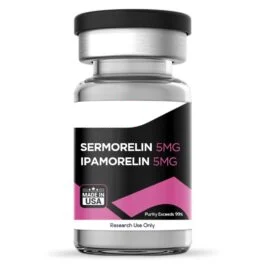
Muscle Growth & Performance Peptides
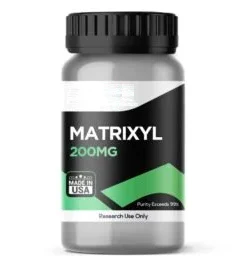
Anti-Ageing Peptides UK
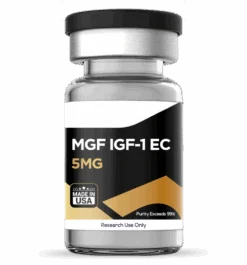
Muscle Growth & Performance Peptides

Pigmentation & Tanning Peptides
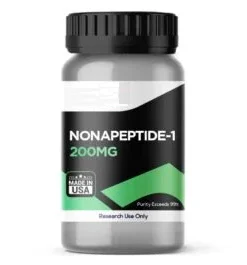
Anti-Ageing Peptides UK
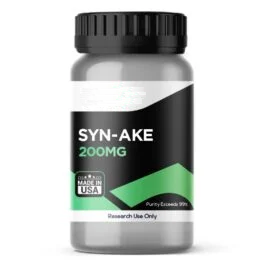
Anti-Ageing Peptides UK
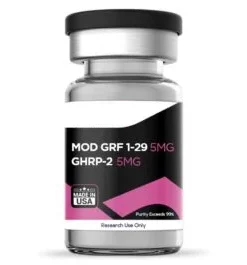
Muscle Growth & Performance Peptides
Muscle Growth & Performance Peptides